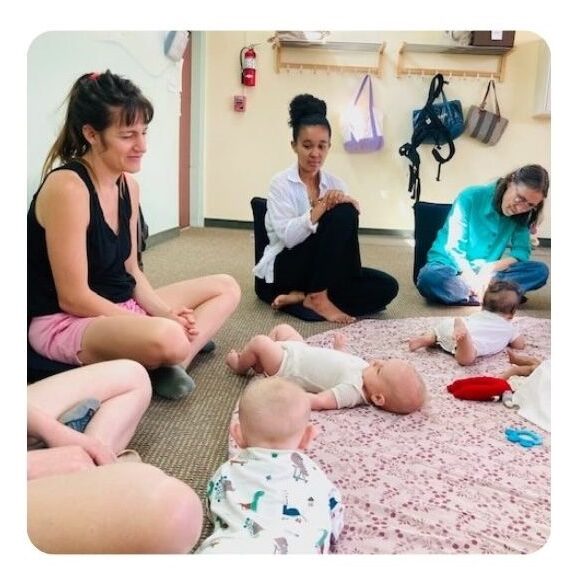
You Are Not Alone
By Andrea Haffner, Licensed Marriage and Family Therapist, Senior Clinical Advisor at Secure Beginnings/Comienzos Seguros As we recognize Maternal Mental Health Awareness Week, it is a good...


As we recognize Maternal Mental Health Awareness Week, it is a good time to reflect on the essential value of human connection. Connection helps us to know that we are not alone, that others understand us and have walked similar roads, or else that they sincerely wish to understand the particular roads that we are walking. Connection can be healing.
While caring for a baby or young child can be profoundly rewarding, it can also sometimes feel isolating. When struggles arise, this sense of isolation can become magnified. Mothers of young children who are suffering from depression, anxiety, or other challenges coping with daily life may experience powerful feelings of self-judgment, guilt, or shame. They may feel that they are failing as parents, and may compare themselves to others who they imagine are thriving while they are barely treading water. We know that depression and anxiety can change one’s perceptions and perspectives, making it difficult to see clearly. Given all of these factors it can be hard for struggling parents to reach out for support.
While mothers may feel alone in their struggles, in actuality we know that such challenges are incredibly common. When we consider that baby blues impact up to 80% of new mothers, and that one in five mothers experience anxiety, depression, or other mental health disorders (1), we can see that the struggles that many mothers experience are absolutely normal. Research shows that supportive connection can play both protective and alleviating roles for those dealing with maternal mental health challenges (2, 3).
Connection can take many forms. Social support and connection may come from trusted friends or family. Social support can also be found in organized groups of fellow parents in which participants can share experiences, fears, hopes, and struggles. At Secure Beginnings, our in-person Parent-Child Classes, as well as our Abriendo Puertas classes for Spanish speaking parents, offer opportunities to hear, share, and learn from one another in a safe and non-judgmental environment. In the company of other parents and children, discussing areas of common concern such as sleep or the identity changes that come with new parenthood, parents can find resonance, acceptance, and mutual understanding with one another. Many group participants share that feeling less alone in their family’s journey has been immensely helpful as they navigate the inevitable challenges and changes that life with children brings.
When struggles become especially hard or overwhelming, it can be helpful to connect with one-on-one support. Secure Beginning’s Counseling Program is available to all parents of children ages 0-5 to help you find the type of support that might be helpful, from connecting with specialized resources to finding a trusted therapist who specializes in the area that would be helpful. Sometimes someone who is struggling doesn’t know exactly what they need, and that’s ok too. We are here to listen and offer ideas and resources in determining what kind of support might be helpful.
Supportive connection helps our emotional loads feel lighter. When we feel less weighed down by our struggles we experience greater well-being, and have greater capacity to connect with and care for those who depend on us. Sometimes reaching out can be hard (in fact it may be the hardest step), but doing so can bring great comfort and relief. I hope that this Maternal Mental Health Awareness Week can inspire us all to check in and connect with the mothers in our lives, whether they are our loved ones or ourselves, so that we all know that we are not alone.
This stage is the beginning of the infant-parent relationship. While the prenatal experience has influenced child, mother, father and caregiver in many ways, sometimes profoundly, it is with the arrival of a child that the work of relationship unfolds. The newborn is working on being attached with the basic trust that all their needs will ultimately be met with immediacy. This is the stage of building trust in their belly, skin, brain and nervous system.
From the beginning, let your newborn know the plan. Talk to them about diapering, feeding, holding and soothing. New babies sleep a surprising amount of time, sometimes up to 16 or 17 hours a day. However, newborns will typically wake every 2 to 4 hours for feeding, connection and comfort. An exhausted parent may find they’re waiting for their new little one to wake up, delighting in this new human and seeking the reassurance of a well baby.
Newborns are learning about the world through all their senses, and they are learning about themselves too. The world of the newborn is close at hand. It is touch and taste, sight and sound within the proximity of another’s arms. Some newborns will gaze towards objects in the distance, but many will be looking closely for eye contact. Too much stimulation and baby turns away or has fast breathing, maybe puts hand to mouth and is measuring the amount of stimulus comfortable in their ever so tiny bodies. Noises may startle newborns and you’ll witness a quick physical jerking response.
Newborns cry. Some cry more than others and some days are better than others. Your baby is communicating just the way they know how. The best way to help a newborn is to be available, empathetic, and calm. It’s important for mothers and fathers to get the support they need during the first three months. This is a time for helping hands. Parents are learning to understand this new person’s cues, both comfort, and discomfort. Engagement cues, or I need you, include staying still, turning toward and gazing at “your” face (en face), smooth arm and leg movements, and cooing sounds. This is the time of deep co-regulation or calming of baby by mother, father, or other caregiver. Often, baby needs mother most for calming. And, mothers may be healing from pregnancy and birth. Fathers or other partners are now able to feel physical connection through touch, eye contact, voice and motion. Caregiving requires stamina, inquiry, and perseverance. Parents are learning about their capacity and flexibility.
For the newborn, night and day are the same as they are new to the rhythm of light and darkness. Night sleep times usually stretch to “longer than day sleep” about 6 to 8 weeks. Newborns eat, cry, sleep, and poop in a dizzying order as their body adjusts to milk, nipples, diapers, clothes, air, water and skin. Their job is to be seen and heard, to survive, to experience their body and others, and to learn about love.
At about 4 months of age, most babies begin to smile on volition, laugh, gaze with reciprocity, and refine their cues. Parents have been practicing the fullness of parenthood. Communicating with your baby can be playful, but it’s also important in building a partnership in the caregiving needs of a baby. Remember to let baby focus on their body, and their environment. And, when there are needs to be met or places to go you include this in your conversation with baby.
Parents might now understand the different cries, feeding schedules, and sleep patterns of their new baby. Parents can anticipate the many needs of this new being, and might even begin to restore their energy output of the first three months. Babies have experienced enormous growth since birth. In fact, a baby may double their weight by 5 months.
A baby’s core strength is increasing and you may notice movement toward rolling over from back to tummy. Tummy time is more comfortable and enjoyable for babies who can roll from back to tummy, hold their head up, and roll again to back time. They will begin to kick their arms and legs with intention and with pleasure.
Trust your baby to know what their bodies are ready for. Most of the time, a baby’s stage of development can’t be rushed or taught. Parents may be eager for their babies to do more, but let your baby guide you on their readiness, and trust that they are doing just what they need to do for their physical and cognitive growth.
At 8 months, a baby may experience a noticeable reaction to separation, or interaction with others. There are many times throughout the 0-3 years where there is tension around separation and attachment. As the first 12 months progress, and weight triples from birth, you will witness rolling, sitting, crawling or walking. As baby learns new skills, there is often an emotional reaction that includes joy as well as tension, and you might see this in separation.
During the first year, a baby begins to understand certain words and phrases. Their ability to explore the environment is quick and hands-on. This is a time to keep your baby in clothes that are comfortable and made for movement, not restriction. It is also when baby proofing is essential for safe baby. It helps to create at least one space which both you and baby can count on to be infant toddler appropriate! Parents begin to have a real and visceral sense that their infant is becoming a young tot as the first year inches to the next.
With baby’s first birthday, many parents and caregivers feel a sense of accomplishment, relief, and joy after their first year together as a family. Baby may have spoken a first word or taken a first step. By this time, patterns have emerged so that feeding, diapering, sleeping and playing times are somewhat predictable. Daily routines have often been established. Family life has settled into a rhythm.
During the second year, however, the profound growth in the baby and young toddler often means adjusting to a bolder, busier rhythm, especially as children learn to move – crawling, standing, and walking! Sleep patterns can change as the child’s whole being practices these new movements. Sometimes in their second year, babies give up their morning nap and spend longer periods of time awake, playing and moving. The baby-in-arms becomes a baby-in-the-world!
With this ability to move independently comes a sense of autonomy. The baby and young toddler becomes curious about “all by myself.” Social exploration with other babies and young toddlers may involve grabbing, holding on tight, or saying, “No!” with words or body language. These are ways for young children to assert their space and place in the world. Grownups can stay close by, ready to support the tears, tantrum, biting, or hitting that may accompany these big feelings. Adults can say, “I see your tears and you look frustrated.” Hugs and comfort are much needed even though baby is moving more independently.
Adults often overestimate a toddler’s capabilities as they transition out of infancy, and underestimate a toddler’s inner competencies. Toddler autonomy is never really “by myself” but is an inner self-confidence that develops with caring adults who allow children to safely explore (physically, emotionally, socially) while being ready at a moment’s notice for reassuring words, eye contact, and touch.
No matter how confident – even bold! – your toddler seems, they will be anxious or afraid sometimes. Toddlers need to balance their growing need for exploration with their need to be safe. Toddlers may want a longer snuggle or gather more comfort objects before bedtime. They may depend on familiar rituals such as the same book or the same song at bedtime. These are ways for toddlers to have control in a world that is much bigger than they are.
As they develop more and more physical mastery, babies and young toddlers test limits of their behavior. Testing limits of what is okay and not okay is one way that babies learn to feel safe with their grownups. Adults are called upon to be very patient, clear and consistent. Power struggles may develop around diapering, feeding, sleep, and transition times. Allow plenty of time for transitions. Sometimes a simple choice is helpful, such as “It’s time for a diaper change. Would you like to fasten your diaper or would you like me to do it?”
The second year is a remarkable time for language development. Babies often use between 50 to 150 words by eighteen months and may speak in simple sentences
such as, “I thirsty.” Although they understand and speak more and more, babies and young toddlers only grasp what’s now and next. Clear communication about now and next helps settle daily life and support language development. Very young toddlers often speak about what is right in front of them. Adults can put words to experience by saying things like, “You’re rolling the ball” and “Now we are putting toys away, and then it’s naptime.”
Play is a child’s work. You may see children this age pour, dump, squish, scoop, squeeze, stack and knock down. It may seem that baby is doing the same thing over and over again. Parents sometimes wonder whether this is normal or how they can encourage their child’s learning at this age. The most basic ingredient for baby’s healthy learning is a warm, reliable, protective relationship with their grownups. Babies learn best when they are calm, relaxed, safe, and loved. The most important things adults can do to support baby’s learning are to talk, read, sing, go for walks, and simply enjoy one another.
This stage of development can often bring new challenges in the parent child relationship. Toddlers are fast, bold and opinionated. Curiously, while they are finding their voice in the world, a tot may also be shy in the company of others. A parent may want their child to be “friendly or respectful” to others, and cooperate at home. A tot might seem developmentally ready for this expectation as they are now childlike, less like a baby physically and biologically. Toddlers this age seem to understand everything.
Some toddlers have developed a broad expressive vocabulary by 24 months, and by 36 months are mostly quite fluent with language. In fact, a bi-lingual child might be able to speak 2 languages well by their third birthday! But, don’t let language fool you. Toddlers are very young and immature socially and emotionally, with one foot in their babyhood and one foot in the world of a very young child. Just yesterday they were babies.
This is the age of tot decision making. What feels hard for the adults is often about autonomy for the toddler. Giving choices may be very helpful. For example, you can hold this hand or this hand when we cross the street. Too many choices may overwhelm a toddler. Your toddler may cry, yell, and even have biting feelings. Their work is navigating autonomy with very strong feelings while in the company of a new and demanding world. Parents might ask their toddler to wait more, use the potty, play near others, and be part of meals for a longer span of time. The parent is ready for a more concrete partnership, and the toddler is ready to control their world.
Transitions may take a very long time for your tot. They often do at this age. It helps to make transitions part of the schedule of the day, and not what happens in-between daily events. Transitions become the event. Being playful, very calm, and having routines are
good parent tools during the mid to late tot stage. Attachment is particularly important to notice. Is this behavior about wanting or needing their parent? Although toddlers may have a well developed vocabulary, they may be very non-verbal about getting you! They may love to read stories about the potty, or waiting, or going away and coming back, or pets, or….
Toddlers love to sing and be sung to. Hand motion songs are very enjoyable. In fact, songs can be helpful during moments that seem hard to navigate. Toddlers are learning about friends. Toddlers love to be with other children, but will mostly still play near and not with others. Although, playing with older children may look more successful, it is mostly the older child who is able to show ingenuity and flexibility. Toddlers are learning about both waiting for a toy and being all done with a toy. They need clear messages and choices. Toddlers this age will still need a nap, but napping may get harder as they are so busy playing. This age likes to run, climb, paint, and squish. Toddlers call on their grown ups to be captain of the ship, compassionate, reflective, and very present.
Often a child’s third birthday brings a period of calm after a tumultuous two-year-old period. The three-year-old child has grown in brain, body, and heart, and families often enjoy an increased partnership with this young child who thinks, speaks, moves, and feels with a new sense of power. Three-year olds may run, hop, balance, sing and draw with force! They learn by exploring with all their senses. They may also work more cooperatively with their adults to perform daily tasks such as setting the table, scooping pet food, or putting toys away. Three-year olds can be joyous, cuddly, imaginative and playful. They can also be worried, and sometimes more tearful than they were when they were two. Depending on their own temperament, some parents will find these ups and downs more difficult to navigate than previous developmental stages.
Three year olds can be full of contradictions and surprises as they make sense of the world and their place in it. The maturity that comes with cognitive, physical and emotional growth brings the child some fear and anxiety about his or her fantasies and feelings. Children who are three might worry about their own strength – no longer babies, they relish in the power of their bodies, but may worry about being too strong, too powerful, or too rough. The child’s growing awareness of his or her aggressive feelings might be acted out in play – scenarios involving superheroes, dinosaurs, wild animals or emergency rescues may develop. Or they may wake from scary dreams and need help getting back to sleep. It helps to limit media time, especially any games or programs that are dramatic, stressful and scary, even if your child seems fascinated by them.
Adults can help children manage big worries by staying close. Sometimes it is helpful to give brief, accurate information such as, “You are bigger and stronger than you were when you were a baby, and I am still here to keep you safe.” Young children need to know that even their biggest, boldest moves won’t push their grownups away, physically or emotionally.
Because a child’s imagination blooms during this time, you may notice him or her watching and observing people more closely. These observations will probably be reflected in the child’s play. An imaginary friend may become part of the child’s rich fantasy life. As the child’s imagination grows, so does a sense of humor and empathy. Children may show interest in a crying baby, for example, or a friend with a skinned knee. They may even rush to get a toy or bandage to help soothe and comfort.
By now, the three-year old may feel that he or she can do more “all by myself” and they should be given plenty of chances to practice bouncing a ball, pedaling a trike, or hopping on one foot. They may become frustrated when adults don’t let them do something on their own. Conflicts around toileting, mealtime, and sleep may persist. When safe and appropriate, adults can support the child’s growing autonomy by providing simple choices such as which cup they would like to use and then allowing the
child to take the cup from a low shelf. Children learn about themselves and the world by trying and doing for themselves with adult companionship and support. Just be sure to plan for the extra time it takes to visit the bathroom, prepare a snack or clean up with a three-year old!
In the third and fourth years, friendships become more and more important. Children this age will laugh loudly, cry hard, and hug tightly with one another. Adults can encourage these important relationships by establishing playtimes with other children and families. Together, children learn how to relax, share, play, solve problems, and grow into the world.
Toddlers are in the process of rapidly categorizing the world around them. Categorization is essential for humans, as it allows us to make predictions in novel situations. Because toddlers are working so hard to actively create different categories from the world around them, their categories can be quite fixed—for example: Girls have long hair; boys have short hair. A hero looks like this; a villain looks like that. Giving a kiss is good; hitting is bad.
Often, toddlers are making their predictions using categories without a whole lot of nuanced information, which can cause them to make assumptions about the world that baffle us as adults.
It can be helpful to use more descriptive language with toddlers rather than simple terms. For example, instead of “Giving hugs is nice,” we can say “When you gave me a hug it made me feel loved!” which can help avoid the inflexible idea that you are nice if you give hugs, or bad if you don’t. We can also point out things that we notice about the world around us to help our toddlers expand their categories, for example “I see boys and girls having fun playing soccer!”
As babies move into toddlerhood, their capacity to both wait and anticipate things in the future becomes more developed. However, as adults, we often overestimate a toddler’s ability to do these things—a common theme in adults’ overall expectations of toddlers. Toddlers, especially young toddlers, are primarily focused on what is happening right now, and what will happen immediately next. It can be helpful to keep our communication with them about what is “now and next.”
While it is useful for adults to talk about things that happened in the past or discuss future events—such as travel plans—with young children at this stage, it is not reasonable to expect toddlers to alter their behavior in response to an event that will occur in the distant future.
Young toddlers tend to take what we say literally, so it’s important to say exactly what we mean and avoid euphemisms. For example, instead of saying, “Grandma is under the weather,” say, “Grandma’s not feeling well.” Similarly, avoid asking as a way to be polite, or to soften a directive, as your toddler will take it as a genuine question. “Are you ready to go?” when what you really mean is, “It’s time to get in the car.”
Our processing speed—the time it takes to take in information and respond to it—increases as we age and develop other cognitive skills. While adults may intuitively move and speak slowly to a newborn, toddlers also experience a delay in their responses that adults often overlook. Each child’s processing speed can vary greatly (and is not strictly tied to age), and it may also change depending on the environment—for example, being asked a question in a busy classroom versus a quiet bedroom.
For a young toddler, being asked a question or given a directive may take significantly longer to process and respond to than adults typically assume. When you need to give a message to your toddler, try getting down to their level, then see if you can wait for a full ten seconds for a response.
Children learn through play—and in fact, adults do too, though we don’t often frame it that way. Toddlers move through the world through play. They are constantly examining, testing, re-testing, recreating, and, as they get older, imagining. While adults may sometimes demand a clear distinction between “playtime” and “not playtime,” for toddlers, nearly every moment is an opportunity for their important “work,” which is play. Entering into a toddler’s world of play can help in tricky moments, such as transitions. Instead of asking that they stop playing to brush teeth, instead we can wonder how kitty cats might brush their teeth!
A helpful and playful tool for supporting older toddlers when they’re dealing with longings, disappointments, or when we’ve said “no” to one of their ideas is to “wish” aloud with them. For example: “You’re really thinking about having some ice cream. I wish we had a big bowl of ice cream right now. What kind of sprinkles would you put on top?”
To talk about what is happening right now, and what will be happening next
Avoid using black and white terms
Avoid adding “okay?” at the end of giving instructions
Do wait 10 seconds for a response
Do offer nonverbal communication as much as possible with younger tots, or few words
Remember to have fun!
When faced with challenging, upsetting, or unsafe behavior from our children, we want to respond to our children in respectful ways that build partnership. Instead, often, in the moment after something heavy has been thrown, we have been hit with the toy car, or another child has been pushed, our “gut” response can reflect our own anger, anxiety, and frustration more than our desire to respectfully communicate: “You’re going to break it!” “Ouch!” “That’s not nice!”
While the goal is to respond authentically to what is happening in the moment, it can be helpful in these moments to begin with a “script,” so that we can begin to rewrite our “gut” responses. Below are tools which can be used individually, or all together, to help direct our responses to our children to be both clear and loving.
Another term for this is narration. This is simply describing without judgment what is happening: “I see two children holding onto the same toy,” “You and Lisa are both climbing up this ladder,” “You were both walking fast, and your bodies bumped into each other.” This gives you a moment to assess the situation without reacting. As with every other tool in this list, it also helps to organize the experience for your child. This narration provides a simple observation of the event, as much as possible without our own interpretation or judgment. This observation is crucial! In order to rewrite our gut reaction, we need to move away from our worries so that we can respond to our child’s behavior without judgment as much as possible. This does take practice to state what you see: “I see your hands on Jack’s body,” instead of what you feel: “I see you’re about to push Jack down!”
By staying neutral in our description of what we see, we are more able to see what might be behind the behavior for our child. Having an idea of what might be going on internally with our child is very helpful in utilizing the next tool.
We, as humans, are learning throughout our entire lives through play, experimentation, and relationships, and of course this is especially true in early childhood. It is normal for children to explore the world and people around them through all their senses, including touch. Children might pull, push, stroke, pinch, kick, hug, grab, bump, as part of their exploration. This exploration includes feelings as well.
What happens when my grownup takes away an object I wanted? Anger might feel hot, like balled up fists and clenched teeth. It might feel good to bite! Of course it is not possible to let a child explore everything in these ways, for their safety and the safety of others. But before going straight to stopping a behavior, i.e. “You can’t climb on the chairs,” “You can’t throw the toy truck,” or “Stop drawing on the furniture,” we can become curious about and acknowledge the child’s need behind the behavior.
Becoming curious and observing your child with neutrality can give a clue as to what your child is needing. It gives you a moment before making decisions to ponder why they are climbing on the table for the hundredth time. Is my child needing some physical activity? Are they trying to reach something? Is this more about getting my undivided attention? Determining what need is behind the behavior guides us in how to best support our child.
Briefly describing what you see or, as we say in class, “narrating” what you see, can help build partnership with your child. This is a process of honoring the instinct.
Sometimes honoring the instinct is all that is required to support your child: “Let’s go outside so you can climb,” “Here is a ball that you can throw,” or “Here is a place that you can draw.” Often for young children, the need may be for a connection with you, and we might need to slow ourselves in order to honor that instinct for connection: “I’m going to pause the dishes for a moment. Let’s read a book together.”
A key component of respectful communication and partnership with young children is holding boundaries. It is developmentally appropriate for young children to be unable to stop themselves. Knowing that a loving adult will help to keep them and others safe by setting the plan allows young children a sense of safety so that they can explore and play. Holding a boundary is often the clearest when it is a matter of safety: “I’m not going to let you run into the street. It’s not safe.”
It may feel difficult to find the words for other boundaries. For babies and young tots, a lengthy explanation of the “why’s” of a boundary can be unhelpful, particularly in a charged moment of setting a boundary. Brief, clear, and neutral is best in these moments.
Your toddler really wants to go outside, but you are still washing the dishes. Your baby tries to pull away your pen as you finish writing your grocery list. In these moments, look at what you are saying “no” to, and if there is a “yes” or a “next.” “I’m saying ‘no’ to holding my pen. Right now I am using the pen, but you can draw with your crayon.” “I’m saying no to going outside. Right now I’m doing the dishes, and next we will go play outside.”
A critical, but perhaps easier to forget step in supporting children is giving space for their feelings that arise in difficult moments. For us as adults, our child’s expression of their feelings, particularly those feelings that we as a society label as negative emotions (anger, sadness, frustration, etc.) may be difficult to tolerate. However, in order to respectfully respond to our children in moments when they need our support, it is critical to allow our children to fully express all their feelings.
Many of us have our own experiences as a child with adults dismissing or discouraging our feelings: “Don’t cry, you’re okay,” “You’re fine, you don’t need to hold that doll,” or even, “Oh no, here, I’ll fix it!” While there is value in supporting young children through and past anger, sadness, frustration, or worry, this is not done by brushing aside or ignoring these emotions. Calmly reflecting what you think your child might be feeling helps them to make sense of and understand their feelings, and helps them to feel seen and understood, an important need for kids and adults alike! “Ouch, you fell down and hurt your knee,” “You really want to play with the doll, and right now Caleb is using it,” “You look so frustrated! That jar is so hard to open!”
There may be times when giving space for feelings is best done after the fact. We are crossing the street and my child does not want to hold my hand. I hold the boundary that we need to hold hands when crossing the street for safety. My child begins to cry and attempts to pull away from me. While we are in the middle of the street is not a good time to stop and acknowledge my child’s anger and frustration. I may have to pick my child up and bring them safely across the street before I can give space for their feelings.
Another example may be when a child is too upset to be able to hear or process your reflection of their feelings. Connecting non-verbally with simply a snuggle, or by giving our child a little space and allowing them simply to cry is also a way to give space for feelings. When they are more regulated we can reflect back verbally on the event and what they were feeling. “I’m remembering when we were crossing the street and you didn’t want to hold my hand. I’m wondering if you were feeling frustrated. You wanted to cross the street all by yourself! But it’s our safety plan to hold a grownup’s hand when you cross the street.” “I’m remembering this morning when you didn’t want to leave the park. You were crying and shouting, and I picked you up and carried you to the car. It can be so hard to say goodbye to the park when you are having so much fun.”
Equally important is giving space for our own feelings and emotions! Acknowledging our own emotions and reactions helps in regulating our nervous system, which in turn helps our child regulate theirs. Stating what we are feeling, “I’m feeling really frustrated that there is crayon on the chairs!” “I’m feeling sad that our vase broke,” or “I shouted when you ran away! I was feeling worried that you might get hurt,” can move us back to a place of calm, while also modeling for our children that it is ok to have these feelings and that we can move through them.
Each of these four tools relies on connecting with our child. Slowing down, getting down to eye level with our child, utilizing touch or eye contact – as you know it is soothing or not soothing for your child – and regulating our own nervous system allows us to connect with our child first, before anything is even said. Like any skill, utilizing these tools takes practice, and even the most practiced among us have triggering moments when those tools go out the window. However, by continuing to practice we are building our own capacity to navigate difficult moments as much as we are supporting our children to navigate them.
All people experience crisis or trauma at some time in the life of their family. It may be divorce, illness, or death. Sometimes a financial crisis can have a devastating impact on the stability of family. Natural disasters, accidents, and violence may impact family at one time or another. How do families live with the intensity of these events, and then support children along the way?
The concentric circles of family and care, with the child at the center, include parents, kin, friends, faith-based practitioners, healers, teachers, therapists or counselors. Often, family work is beyond the work of one adult. Reach out to others. You are not meant to be alone.
As parents, we want our children to be happy and safe, protected from the sad and bad. This might add to our challenge, because we might think that silence or small doses of information protect children. Of course, we need a balance of information based on the age of a child. Very young children need information that is concrete and directly related to what they know about their world. They will wonder or ask: “Who is taking care of me? Where are my primary love attachments (Mom, Dad, sibling, Grandma, etc.)? Will they come back? Where is my house and where are my things? Will what happened, happen again to me or another family member?”
Older children may be able to cognitively understand issues of distance, change, and time. They might want a strategy to right a wrong. Writing letters for change, organizing walkathons or fund-raising money for cures or political action are different ways young people find empowerment through crisis. An older child, preadolescent or adolescent may be able to understand political issues around mental health care, violence and non-violence, etc. They may feel there has been an injustice, and want to make the world fair again. Finding groups that represent their concerns in the world is a way to gain control over crisis.
The common feelings in a crisis are seen in expressions of safety, attachment, stage of development and autonomy. The language we use to communicate feelings should be based on the age of the child. “I am sad. You are sad. We are sad together.” The very first and perhaps most profound message is, “I am here to listen to all your feelings, and answer all your questions as best I can. If I do not have an answer, we can try to find out together.”
When adults can talk about what a child experienced, then children are accompanied toward feeling whole, safe, and trusting. It is surprising, the very thing that brings comfort to a child is usually comforting to a grown-up. The following list encompasses strategies we can use to support children.
Reflection, in its simplest explanation, is quite literally a mirroring of what is heard and/or or seen in another. It can be complicated because children necessarily affect the lens we see through. Reflection is not fixing, nor explaining a dilemma. It is being with the experience and the feelings of another. Children often do not want to put feeling words to an experience in times of stress. So, there is a spaciousness to holding a child without pressure to feel or experience a certain way. Expression is played out in behavior, and the adult uses their bigger, wiser, kinder eye to notice what is on the mind of the child. You might say, “I see tears. You are asking about Daddy coming home.” Reflection might be expanded to include inquiry. “Are you wondering when Daddy is coming home? Reflection might also include a bit of remembering. “I remember you asked about Daddy’s plan this morning. Are you wondering if his plan has changed? Reflection might include narrative. “You’ve been waiting for Daddy for a long time.” Children feel heard when adults reflect. This is true in adult relationships as well. Rather than layering perceptions, one is met exactly where they are. The effect is calming in times of stress. During an emergency all hands are on deck and there are likely quick decisions to be made. Reflection is done in the aftermath. Adults help children to unravel an experience, mentally and emotionally organizing the story. Crisis evokes some level of chaos. It is chaotic to be in an emergency because the nervous system’s reactive responses dominate. Its job is survival and protection. The experience and feelings in crisis might stick around for a long while. There might be residue. Eventually (quickly, or slowly) the family moves towards a calmer nervous system response. Remember time and the spaciousness of processing something difficult.
Stay close to your children and let them know that you are there to take care of them and keep them safe. Children worry that a scary event or the feeling around an event will repeat itself, that there will be another loss or trauma, or that something might happen to them or to their grown-ups. Point to the strategies you and other adults use to keep the family safe. This may be as simple as wearing seat belts or as complex as having a family disaster plan. Reassurance always includes with whom, where and when in the child’s plan. Proximity, being physically close, is very important to feeling safe. Calm voices, eye contact, smiles, plenty of hugs and other warm gestures provide a blanket of security. This holds true for all ages. Make sure to take extra time at bedtime to cuddle and reassure children that they are loved and safe.
Make time to talk with your children. Remember that if you are not talking with them about a family or community experience, they will still absorb information about it from silent body language, other people or possibly in community as well as world events in the media sources which are all around them. Children are very aware of their parent’s worries, especially during crises. Be mindful of what you say and what your children may overhear when you are talking with others. There may need to be a follow-up conversation to clarify information or reframe an experience to make it developmentally appropriate.
It can be uncomfortable and might be frightening for a child to experience an adult shouting or crying. When adult emotional displays have been intense, bold, and full of drama, revisit that experience later with children and in a calmer setting. They need to know the feeling vocabulary that went with the adult behavior, and they need to know that the adults will still take care of them and keep them safe to the very best of their ability. You might say, “I will take care of you even in sad, angry, and scary times.”
Acknowledgement is important in all relationships. It is deeply comforting to children when caring adults listen to their thoughts, worries, longings, and fears. In crisis, these feelings may take a long time to reveal themselves, or these feelings may be part of the dialogue together for many months ahead. Children are likely to be scared and anxious in the aftermath of a crisis. Provide a safe space for children to express their emotions. Verbally reflect back to children what you hear them say. Make room for the spaciousness of repair.
Make sure you understand their perspective surrounding an event. Often children have misunderstood or are misinformed about the unfolding past, present and future. Children often think something they did caused an experience. Is the space between what they “imagine” and what is “real” accurate? Help them to sort out and understand the details of what is true.
Use the proper language to explain the crisis. For example, if someone has cancer use the correct words to describe the part of the body that is sick. “Grandma has an illness called cancer. The cancer is in her brain. Doctors and nurses are helping Grandma. Grandma is taking a special medicine called chemotherapy.”
Observe your child. Are they comfortable being away from you or do they need to be near? Does going away and coming back feel uncertain? How are they eating, sleeping and using the bathroom? Are they playing? Play can be serious work when it is on the heels of a crisis. Play is how children work out their inner world and outer experiences. Adult observation will be very helpful when a child is pre-verbal or not wanting to talk. Based on his own experiences during his childhood, Fred Rogers recommended talking with children about helpers when there is a crisis. Helpers might be teachers, doctors or firefighters, or friends and family. Include this perspective in your dialogue or play with children regardless of their age. Here is an example of expanding a conversation about a fire or firefighter play after a fire: “Firefighters and police officers are helping, and friends are bringing food to families.” If firefighter play feels too scary you might add, “Where are those doctors who help the people? Here come the doctors!” Here’s an example of the power of play as a way of making internal sense after a crisis. After 9-11, after buildings fell to the ground, I observed teen-agers building tall block structures. The block buildings were so tall the kids were standing on tables to reach the heights they were aiming for.
When dealing with young children, be careful to appropriately answer the questions they are asking rather than giving them information they are not really asking for. Too much detail may frighten children. Ask them what they know. Ask them if they have any questions.
Tell children the truth. Don’t try to pretend the experience has not occurred or that it is not serious. Children will be more worried if they think you are too afraid to tell them what is happening. Stick to simple facts. Don’t embellish or speculate about what has happened and what might happen. Keep your explanations developmentally appropriate. Early elementary school children need brief, simple information balanced with reassurances that the daily structure of their own lives will stay the same. Upper elementary and early middle school children will be more vocal in asking questions about whether they truly are safe and how this affects them. They may need assistance separating reality from fantasy. Upper middle school and high school students will have strong and differing opinions about the cause or threats to safety in home, school or society. They will undoubtedly have concrete suggestions about how to make life safer or fairer. They might be interested in doing something to help, becoming a helper themselves. For all children, encourage them to verbalize their thoughts and feelings. Be a good listener. Or, simply reflect an experience. And, sometimes just be there.
In the best of times, children love structure. This is how they know what has happened, what is happening now and what comes next. Even an older child can be confused when routines become unpredictable. If it is not possible to have a clear plan beyond a day, simply talk about the plan for the day. For the very young child, what is happening “now” and “next” is enough. The daily routine can be broken down to the morning plan, the afternoon plan, and the evening plan. These plans must include who is where and when they are coming back. This is reassuring for adults as well.
As time allots, create increasingly predictable routine within the day for dinner, chores, reading time, bedtime, etc. but don’t be inflexible. Children may have a hard time falling asleep at night. Tell children what is the same and what is different. Keep children informed as new plans emerge. For the preschool-age child and up, when possible, make or use a calendar. The calendar can have who, what, and where, one day to one week at a time.
For grieving families, families in harm’s way, or families with illness, remember important people with rituals. Lighting candles, saying prayers, making books, and making altars are all ways to honor those people who are dear and are in your family’s thoughts. You might say, “I have been thinking about all our friends and family. Let’s light a candle to honor them.”
This is so important. Fear or sadness can look like anger, silence, or lack of cooperation. Regression might feel overwhelming to the care-giving adults. Separation from Mom or Dad may become impossible. A simple visit to the corner store can bring outbursts of crying and screaming. If adults can look beyond the behavior to understand its function — what the child is expressing — then they might be more responsive and less reactive. When you are responsive, it tells a child you are keeping them safe even when they are anxious and sad.
It’s both hard and vital to accept a child’s full range of emotion. You might witness children in silence, or appearing indifferent to serious events. You might witness denial or anger. If a child loses control, throws or hits another – then adults need to be clear that it is ok to feel anger, sadness, or fear, but it is not okay to hurt others. Adults are there to stop them and keep them safe, always. Adults say exactly those words.
Sometimes adults worry that any regression they see is permanent. Remember it is temporary, but it is an indicator that a child has an unhealed hurt or worry. A child may wonder who will take care of them. You might say, “I have been thinking about all the sad and mad things that have happened. You have reasons to feel worried. I am here to keep you safe.”
Eating, sleeping and toileting are something to notice. Even adults can lose sleep or want to sleep more, eat too much or too little, or have stomach issues. Traumatic events live within us.
If possible, and when you can, stay close to and focused on your children without distraction. Observe your capacity to be fully present. Stanley Greenspan, MD, called this “Floor Time.” Magda Gerber called this “Wants Nothing Time.” Hand in Hand Parenting calls this “Stay Listening” and “Play Listening.” Giving your children full attention, without adult multi-tasking, requests or demands, is calming and connecting. This full attention time, when possible, “should” be daily – several short times a day or for one longer period. Twenty to thirty minutes of full attention daily is one of the most important ways you can give yourself to children. It tells them you are available, and they are valued. This means no computers, cell phones or other devices! Let children know that this time is theirs, and that you are not going to be distracted. Children can’t always anticipate full attention in the world of devices.
Spend extra time reading or playing quiet games with your children before bed. These activities are calming, foster a sense of security and closeness, and reinforce a sense of normal routine. Spend more time tucking them in. Be flexible around sleep because from the child’s perspective it is ultimately separation. Remember the sleep ritual because it is also comforting.
Children need a certain level of activity based on their personal preferences and internal rhythms. The child who is full of big body play may need time at a park or in nature. A body might crave the resistant force of digging, hammering, or sawing. For others, find time to read or quietly draw together. Sand, clay or play-dough can be calming tactile materials. Painting, gluing, cutting, and all means of creating are powerful non-verbal ways of settling.
Some children love making lists of what is the same and what is different. Some children love making books about where and what the family is doing, simply the story of today. All you need is paper and pencil. If this is not available, then telling the past, present or future story is just as profound. Telling the story of a life experience helps children and adults put the pieces of their experience together. It allows you to re-visit stressful experiences and for children to know that the experience is bearable.
Understanding time is dependent on stage of development. The order of things feels better when anticipated. Does one child understand yesterday, today and tomorrow while the other does not? The order of the day can be topsy-turvy in times of crisis. Let children know the plan for the day. Include in the plan what, where, when and with whom. The schedule is important, but who accompanies children is essential relational information. Calendars can be a great way to empower a children’s sense of time and doing. For the younger child, if possible, make a flip calendar with all the things you can count on. Then you can add the spontaneous plans with each day. Each day – morning, afternoon and evening – give a “weather report”. The weather report includes what, where, when and with whom. This message is for children of all ages.
Sometimes there are difficult life experiences in the constellation of family. Helping a child feel safe and seen when primary adults are feeling deeply sad, worried, scared, depressed, angry, hurt or abandoned can be hard work. It is very useful when grown-ups are aware of their own feelings and needs, and seek outside support when necessary. Taking care of your own needs is so important – including basic needs like sleep and nutrition.
Children sense and sometimes share their parent’s emotional landscape, and most certainly feel adult anger or fear. When this happens, they feel and know with every cell in their bodies that the world is not safe, or that it is uncertain – and sometimes these things are true. Children might feel they need to take care of their grown-up. They may believe that grown-ups cannot keep them safe; no safe haven here. It is with compassion and tenderness that children should be told the truth (in simple, age-appropriate ways), and that truth be guided with a thoughtful awareness of a child’s emotional development. Children need to know who the adults are that can keep them safe precisely because they are children. Primary caregivers are literally and figuratively a child’s base of security.
by Jessica Donahue, B.S., B.A. Human Development: Early Childhood Development, Counseling Psychology Graduate Student, Secure Beginnings Facilitator.
Digital devices and technology have become interwoven into the fabric of our everyday lives. This technology enables us to communicate, collaborate, create, store, share, and learn with greater ease and speed.
Today, babies are born into a world where their parents/caregivers can be “plugged in” and “digitally connected” at any moment of the day or night, which can create interruptions in human connection, routines, and caregiving activities.
These interruptions are also known as technoference. Technoference is defined as the everyday interruptions in parent-child interactions and routines due to digital devices (Barr et al., 2018). Young children are particularly vulnerable to the potential impact of technoference (Barr et al., 2018; Coyne et al., 2017).
Awareness of the drawbacks of technoference invites adults to be mindful about the effects that digital devices have on the developing child. This includes parental digital device use while in the presence of young children which may result in a decrease in responsive parent-child interactions, interrupting important opportunities for emotional connection. These interactions are the foundation of secure parent-child relationships.
This quote from Magda Gerber references the value of giving our full attention to children during caregiving times:
“What an infant needs–what every human being wants–is to experience the full undivided attention of a parent or other significant person. But nobody can pay full attention all of the time … Take the phone off the hook before you intend to feed, bathe, or diaper your baby…” (2002, p. 5).
I remember a time that I held my 19-month-old son on my hip with my left arm wrapped around him. In my free right hand I held my cellphone on which my attention was fixed. While I can no longer recall what had intensely captured my focus, I will never forget the feeling of my son’s small hands as they reached for my face and firmly directed my attention towards his face. Our eyes locked. His bid for connection was clear. I put my phone down. I wish that I could say that I was less distracted during our time together or that I no longer used such devices in his presence, but I settled for being more disciplined and intentional around my use.
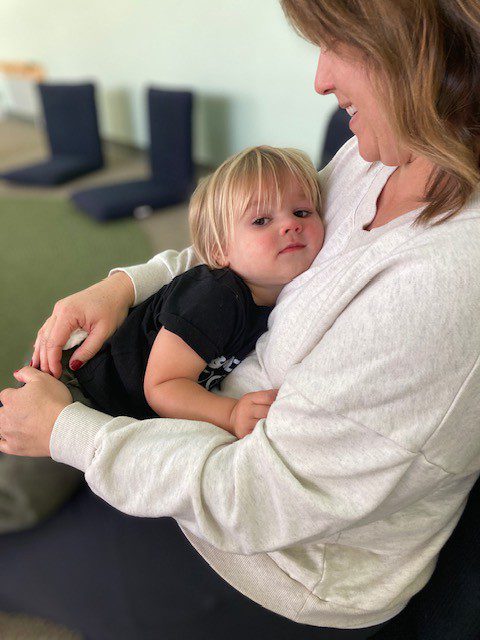
Research has also shown that parent/caregiver mental health challenges increase with the use of devices. Digital fatigue, sleep disturbances, decreased sense of well-being, anxiety and depression have all been reported. It might be useful to explore your use of media and notice what thoughts, sensations, or feelings you have.
To mitigate negative effects of digital overwhelm, it can be helpful to:
We recognize that parenting in our digital age has also provided valuable opportunities for learning and support. Parents now have easy access to information and resources on all things related to raising children. The vast number of resources can be both comforting, supportive, or helpful, and at times anxiety-producing and overwhelming. Additionally, information can be conflicting or inaccurate.
Given that the internet provides so much parenting information to sift through, we are providing a few of our favorite resources for adults. These align with the Secure Beginnings mission and values of nurturing secure attachment and healthy relationships for families with children ages zero to five. They all provide some free and low-cost education for caregivers and professionals.
Hand in Hand Parenting is a nonprofit organization that provides resources and supportive communities for families and professionals, intended to promote connection during challenging times. The Hand in Hand Parenting Approach emphasizes connection-based strategies including Special Time, Staylistening, Playlistening, Listening Partnerships, setting limits, and more. The strategies help build resilient families and communities.
Resources for Infant Educarers (RIE) is a nonprofit organization that promotes a model of care and education for infants and toddlers, based on world-renowned child and infant therapist Magda Gerber’s Educaring Approach. The Educaring Approach is a framework for building a relationship through caregiving activities in which the child is encouraged to participate. The basis of Educaring is respect demonstrated through full attention in everyday interactions, sensitive observation, predictability, and a safe environment. The goal of the Educating Approach is an authentic child: “one who feels secure, autonomous, competent, and connected.”
The National Association for the Education of Young Children (NAEYC) is a nonprofit professional organization that is dedicated to ensuring that all young children thrive and reach their full potential. NAEYC promotes high-quality early learning that connects research, policy, and practice for both parents/caregivers and professionals, providing research-based resources, tips and ideas for caregivers of young children.
Janet Lansbury is a RIE Associate and author of best-selling parenting books, Elevating Child Care: A Guide to Respectful Parenting and No Bad Kids: Toddler Discipline Without Shame. Janet Lansbury shares her personal and professional experience as well as tips and education for parents on her website, social media, and on her podcast, Respectful Parenting: Janet Lansbury Unruffled.
ZERO TO THREE is a nonprofit organization that recognizes the importance of a child’s earliest connections and experiences. ZERO TO THREE supports adults caring for young children with knowledge of early development and tools to promote the well-being of toddlers and infants. This support is based on brain science and ample research that supports how emotionally nurturing relationships lay the foundation for lifelong health and well-being.
Attachment Nerd by Eli Harwood, a mother, therapist, and author of the book Securely Attached. Eli Hardwood posts research-based tips and insights on attachment and well-being. Topics include building secure attachment through parenting and within our closest relationships.
Stay tuned for our next writing about the use of devices by children 0-5.
References
Barr, R., McClure, E., & Parlakian, R. (2018). Screen sense: What the research says about the impact of media on children aged 0-3 years old. ZERO to THREE. https://www.zerotothree.org/resource/screen-sense-what-the-research-says-about-the-impact-of-media-on-children-aged-0-3-years-old/
Coyne, S. M., Radesky, J., Collier, K. M., Gentile, D. A., Linder, J. R., Nathanson, A. I., Rasmussen, E. E., Reich, S. M., & Rogers, J. (2017). Parenting and digital media. Pediatrics, 140(2), 112–116. https://doi.org/10.1542/peds.2016-1758N
Gerber, M. (2002). Dear parent : Caring for infants with respect (J. Weaver, Ed.). Resources for Infant Educators (RIE).
by Carol Castanon
Secure Beginnings Parent Consultant
There are many cultures which celebrate or remember those who are no longer with us. There is a history of ancient ceremonies symbolizing and warding off bad ghosts, while other rituals honored those that were holy. The word Halloween comes from hallowed, or those that are holy. Dia de Los Muertos is not Halloween, but rather a tradition celebrated in Mexico, and in parts of Latin America and Spain. It means “Day of the Dead.” It honors the dead with celebrations by family and friends. It is said that the spirit world opens at this time, whereby we can be reunited with those that have passed.
These two holidays are back to back on the calendar and might be confused as having the same intention. They are both celebratory, including sweets, colorful masks, skeletons, skulls and costumes. But they are unique to their different cultural origins. Both have roots in faith, but have for some morphed into secular celebrations. They are both holidays which can ignite a flurry of excitement for adults and children.
Sometimes, the holidays enjoyed by adults and older children
can be felt very differently by the youngest of little ones.
Babies, toddlers, and very young children are literal. They know what is the same and different, familiar and strange.They are typically comfortable with what is known and this is particularly true with attachment figures like Mama and Papa, Abuela and Abuelo, or Tia and Tio.
Very young children might know the difference between real and pretend, but “it” can nevertheless be too scary for them to manage. They might hear faith-based language but not have the capacity to reflect on spiritual verses earthly. They may feel frightened in the company of masks and skeletons. Young children might not have the emotional and cognitive development to manage these worries. Remember they are relatively new to this world.
The littlest of children may not be able to navigate these holidays with the fullest of pleasure. So, what might an excited adult do?
Below is a list of ideas which advocate for the very young:
Remember to ask children if they want to dress-up or have their face painted. This gives them the respectful options of choosing what they want with their bodies. Sometimes their yes is quickly followed by a no or vice a versa. This might mean a child is not sure and they need more time or information to make their decision. Either way toddlers change their mind frequently!
Observe your young child, because your child will tell you how they feel about rituals, decorations and costumes. Some children might be sensitive to the sounds of these holidays, too loud or too scary. Other children might not feel as affected. It is for you to know so you can honor the child you have.
Dress-up and costume play is a way for children to practice pretending with masks and decorations. You and your little ones can take masks on and take them off. It is a kind of play about going away and coming back. Costumes can be held, touched and explored before they are worn. You might say, “Papa is dressed as a tiger but he is still your Papa! Mama is wearing a wig, and she is still your Mama!”
Face painting in anticipation of costume or dress-up holidays will help prepare your little one for noticing what is the same and different. Use a mirror so children can see themselves before and after their face is painted.
Altars might be offered for children to both see as well as help create. During Dia de Los Muertos altars are created to place offerings to deceased loved ones and usually include photographs too. The idea is that there are ornaments or artifacts representing something important, and this gives you and your little one the opportunity to chat about it!
Photos are a lovely way for children to see themselves in the moment and in reflection. Of course, they are also important ways to remember your loved ones.
Books are a pleasurable and fun way for children to explore their world and the world of others. You can make your own books, or you might have them in your library. When a book resonates with a child they will want to see and hear it repeatedly. See if you can pinpoint what your child is most interested in and why this might be so.
Halloween and Dia de los Muertos are different holidays. As you celebrate Halloween and/or Dia de los Muertos this year, you can take care to create emotional safety that honors the stage of development and temperament of your unique little one.
by Carol Castanon
Secure Beginnings Parent Consultant
I’ve been hearing concerns some parents have about mask-wearing, and how children might be affected by seeing people from the “eyes up.” Parents and grandparents have expressed worry that children will not see the full expression of others. Others worry that children will become fearful of other people. As parents and caregivers, the wish for an optimal social and emotional experience is absolutely preferred. We may have an image of what this looks like, and it does not include a pandemic!
Before the pandemic, there was a free moving exchange of touch, toys, shared spaces, and food. There was even a public health expectation that families reduce isolation by being in the company of others. Kin, childcare providers, nannies, teachers, and friends were all part of the delicious mix of “others” before COVID-19. Grown-ups might have asked children to acknowledge others with their voices, their hands, or their kisses as there was a shared excitement of being in the company of others. Children shared play spaces, freely moving from swing to slide or play kitchen to block corner. Toys were intended to be shared, or hands waited to be next to hold the baby doll, block, or stuffed animal. Books were read together among friends.
The ingenuity of adults is impressive. Some families are forming pods or bubbles of selected family and friends. Parents in one-home and two-home families are experimenting with “work-on” and “parent-on” schedules, redefining what is possible. Families are temporarily leaving their homes to find helping hands with grandparents, and grandparents are temporarily moving to their grown children and grandchildren. Childcare providers have learned cleaning rituals which make the care of children possible while parents work. Early childhood teachers are singing new songs about cleaning hands and keeping space between bodies. Small childcare or early years classroom groups rotate inside and outside, while some groups have discovered that the outdoors is the classroom. Adults might be reassessing their busyness before the pandemic and finding a new and slower cadence.
The ingenuity of young children is equally impressive. While, like adults, a child might yearn for friends and family, a young child’s vision of their “social wants” is really connected to what they have experienced in the past. There is comfort in what is familiar.
Parents might want more social opportunities or experiences for their little ones, but the fullness of what young children have in family or small pods actually fulfills their emotional and social development.
A young child’s ingenuity is often adapting to the needs of their grown-ups. We ask young children to wait, wash up, rest, eat, clean up, be gentle, get dressed, etc. Young children learn to accommodate, in fact partner, with their grown-up to do all these things.
Young children need love, predictable care, and to be accompanied when they have big feelings.
They want to be seen and heard. They want someone to play with and someone to snuggle with. They want to be outside! When you think about the pandemic and what may be missing, remember what little children want. Little ones have the least complicated wants. They want their grown-ups, play, love, and joy.
This brings me back to masks. Masks create a limited facial view of others. A child’s first language is non-verbal. They read eyes, hands, posture, and the moving shape of a mouth. Children are sensitive and attuned to the emotional, non-verbal energy of their adults, whether their adults are anchored and steady or distracted and distant. For hearing children and adults, sounds attach to experience. Sounds share feelings and information eventually becoming the vocabulary of language. This language then becomes the tool children use to say how they feel and what they need. The spoken and the unspoken become the ways we communicate. Communication is then practiced throughout our lifetime to include joy, love, conflict, grief, fear, anger, etc.
Let’s look more closely at what adults can do to support the experience of masks for young children. Remember that play is the language of childhood.
* Baby dolls, play masks, and doctor play are great ways for children to work through their experiences with the pandemic.
* Mask Charade might be a fun way to guess what people are feeling or pretending. Grown-ups have to take turns guessing too!
* Photographs are a great way to play with masks on and off. Take pictures of just eyes and then just mouths and see if young children can mix and match the images, or recognize people by a body part. You could add photos of just hair, or just hands, or just feet!
* Books help a child organize their life experiences. Make a book about COVID-19 and include the story of masks, doctors, and taking care to be careful so others do not get sick. Use the language of COVID-19 so children know the specificity of this virus.
Additionally, masks give us the opportunity to talk about the other, the elder, or the vulnerable. It is a real-life experience of empathy and value for others.
Finally, children, young and old, depend on their grown-ups to be the anchor. Your ingenuity along with your message of “we can and we will get through this together” will endure through COVID and beyond.
We stand for a vision where violence against communities of color ends, and we envision a world of healthy, resilient communities where Black lives matter.
Dear Families and Supporters of Family,
We are writing today in solidarity with the daughters, sons, brothers, sisters, grandparents, uncles and aunties who have lost loved ones because of institutional racism, oppression and violence. Secure Beginnings will not be silent during this critical time and denounces racism in all forms.
Rather than being prescriptive, Secure Beginnings has always held inquiry and curiosity as basic tenets of respectful communication. Now is a time for inquiry, listening to, and learning from people of color. The invitation is to more deeply listen to voices and perspectives of those who have not been heard. We can amplify the voices of Black and Brown people through sharing their stories, music and words.
You may wonder how to talk to and teach your child about social justice in a way that is developmentally appropriate. Carol Castanon, Parent Consultant, and Adrienne Hoskins, Wisdom Council member, offer guidance here:
No matter how much we want to shield our young children from upsetting images and stories, they overhear our conversations, and this sparks questions. If we shy away from talking with them about race and racism, their information will come from outside messages. Young children recognize racial differences from a very young age. As early as age 3, children may begin excluding peers of different races from their play. Creating safe spaces for children to explore what is alike and what is different in people is important. Developing empathy and a sense of justice at an early age helps children grow into adults who work to create a more just world.
Narrate – Tell children that people are protesting, walking and marching together, because they are sad and angry. Some people are carrying signs that say Black Lives Matter. A Black man named George Floyd was killed by a police officer in Minneapolis. People are sad and angry because there have been so many Black men and women who have died by police action, or because they didn’t have good doctors or medicines, or safe communities. When people are treated unfairly or are not safe because of the color of their skin it is called racism. People are protesting because they believe everyone deserves to live well and live healthy lives. People are trying to change the rules or laws to create a better world.
Bias – Children learn what they see and hear. People who aren’t deliberately prejudiced still harbor implicit biases absorbed from the dominant culture. Implicit bias lives in images and language. It is life experience. Diversify your child’s experience through diverse opportunities. This might be with video, books and song. Families should explore ways to be in relationship with all people. This includes race, gender, age and ability. Take care to address openly with children what might feel like “invisible” bias, like subtle anxiety that arises around someone who looks different, or explicit bias in the form of outright prejudice in words, images or actions.
Same and Different – For many years, mostly White people, would call for “color blindness,” the idea that we are all the same. The problem with this is that the dominant lens does not clearly see the other. This kind of blindness leads to the unbalanced power lens of the group in charge. We are different from each other. Our color, hair, language, and gender differ wildly. Celebrate these differences because it is how children learn to be curious and love the fullness of humanity. It is not the job of people unlike you to teach you and your family. It is your job to learn about yourself, and your biases and those of others.
Action – Children know when they are included as helpers and when they are not. What you do and say matters, and including children in concrete helping behaviors empowers them. Perhaps you participate in a protest. Perhaps you light a candle for George Floyd. Perhaps you take your child to the voting booth. While Secure Beginnings often speaks about “being,” this is also a time of “doing.” What are you willing to learn, to engage in, to work toward, and to change?
Safety – We want children to feel safe but we know that many children do not have this most basic right. Speak about safety with your young child. You might say, “Every person should be safe! We are going to work for a safe and fair world together! We want all Black and Brown children to be safe and grow up. We want all Black and Brown grown-ups to be safe too.”
Inquire – Because we are talking about young children, we want to make sure we understand what they are thinking. We might ask one of these questions. That could be enough. “What do you understand about the protests? What are your ideas about all people being safe? How do you feel about George Floyd? How can we make the world better? Who do you know that looks different than you do, or Mommy or Daddy? Do you have ideas about the rules or laws that are fair or not fair?” Inquiry also gives children permission to ask questions. You might say, “If you have questions about George Floyd or protests or the police you can always ask me.” Ultimately, for young children, simple is powerful. Too much information is not helpful. Permission to ask, to wonder together, is often enough for the very young!
As always, keep young children away from uncensored media.
Music has always accompanied social change. Below are three songs to sing with children. Of course, there are many more, but this is a very good place to begin. Music nurtures connection and solidarity. Music soothes and empowers. The songs below have a message and a history!
Songs to sing:
We Shall Not Be Moved
Somos El Barco
If You Miss Me at the Back of the Bus
With heavy hearts and hope for the future,
Renee Mandala, Secure Beginnings Executive Director
Ellen Nightingale, Secure Beginnings Board Chair
Carol Castanon, Secure Beginnings Parent Consultant
Adrienne Hoskins, Secure Beginnings Wisdom Council
Excellent article from our colleagues at Zero To Three: https://www.zerotothree.org/resources/1598-racism-and-violence-using-your-power-as-a-parent-to-support-children-aged-two-to-five
You will find developmentally appropriate language for talking with your child here: http://www.raceconscious.org/2016/06/100-race-conscious-things-to-say-to-your-child-to-advance-racial-justice/
Your kids are not too young: https://www.prettygooddesign.org/blog/Blog%20Post%20Title%20One-5new4?fbclid=IwAR0R4iqjlCC6MSuSXzuiZBQZeRrx9L-LG5tLRdJP1HkJb9nw-q-mmI68nJ0
By Andrea Haffner, Licensed Marriage Family Therapist
Secure Beginnings Senior Clinical Advisor
The period before and after the birth of a baby is one of immense change and adjustment and can evoke a great range of feelings, from profound joy and connection to great worry, insecurity, and sadness. The experience of motherhood is complicated, and for many it has become even more complex while navigating life during COVID-19. As we recognize Maternal Mental Health Awareness Week, we are thinking of all of the mothers who are pregnant and in the process of adjusting to life with new babies.
At this time of greater uncertainty and disruption due to COVID-19, birth plans have had to change, extended family support may be more limited, and what once seemed like normal rituals of pregnancy and new baby life may look very different. For some, this time has been quieter and more grounding, offering greater permission to settle into a mode of nesting and bonding at home. Others may be experiencing increased anxiety, depression, and fear.
We know that Perinatal Mood Disorders affect around one in five women during pregnancy or the first year postpartum, regardless of age, income, or ethnic background.
Perinatal Mood and Anxiety Disorders (PMADs) can include anxiety, depression, perinatal obsessive compulsive symptoms, bipolar mood disorders, postpartum psychosis, and postpartum PTSD. When we recognize and normalize the challenges that come with motherhood, we can help create safety, acceptance, and support for women.
We are here to support you in all the joys, worries, and complexities of your journey of motherhood.
If you find that you or your loved ones are struggling, we are here to connect you with individual support through our confidential counseling line. Another great resource is Postpartum Support International (in English or en Español), who offers information as well as online support groups daily for perinatal mood support as well as more specialized concerns such as pregnancy and infant loss and NICU parent support.
Lastly, we are grateful to the Antenatal and Postnatal Psychology Network of Australia for allowing us to share these “COVID-19 Coper” graphics for all parents adjusting to pregnancy and life with new babies during these times.


By Andrea Haffner, Licensed Marriage and Family Therapist, Senior Clinical Advisor at Secure Beginnings/Comienzos Seguros As we recognize Maternal Mental Health Awareness Week, it is a good...

By Siobhan McDevitt, L.M.F.T. Licensed Marriage and Family Therapist/Core Class Facilitator and Carol Castanon, Child & Family Consultant, Former Director of Secure Beginnings Newborn: 0 to...
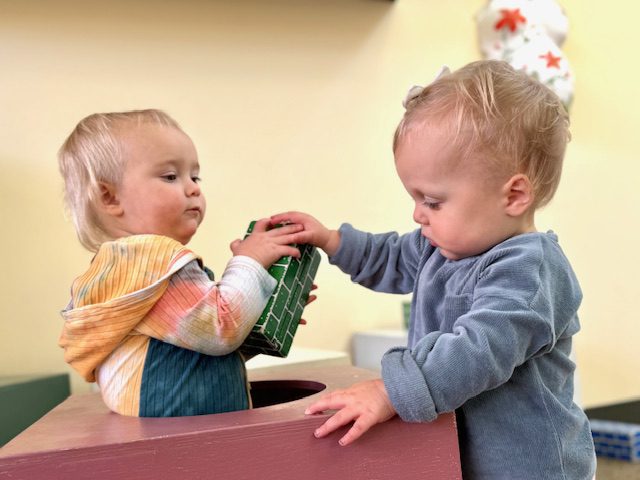
By Terra Solecki, Secure Beginnings Class Facilitator / Educator Black and white Toddlers are in the process of rapidly categorizing the world around them. Categorization is essential...
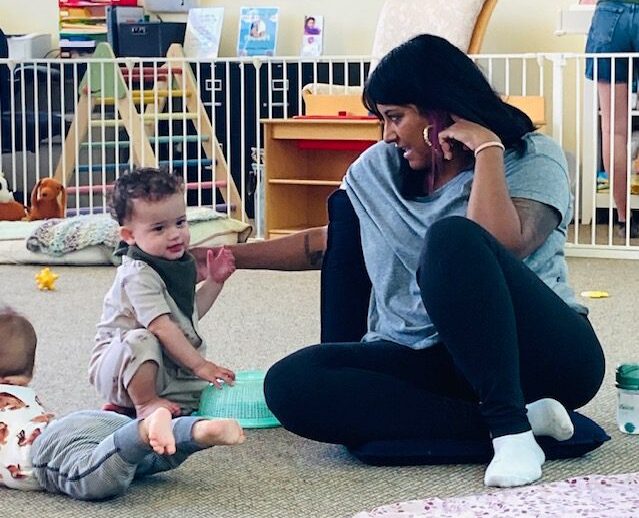
By Terra Solecki, Class Facilitator, Educator When faced with challenging, upsetting, or unsafe behavior from our children, we want to respond to our children in respectful...
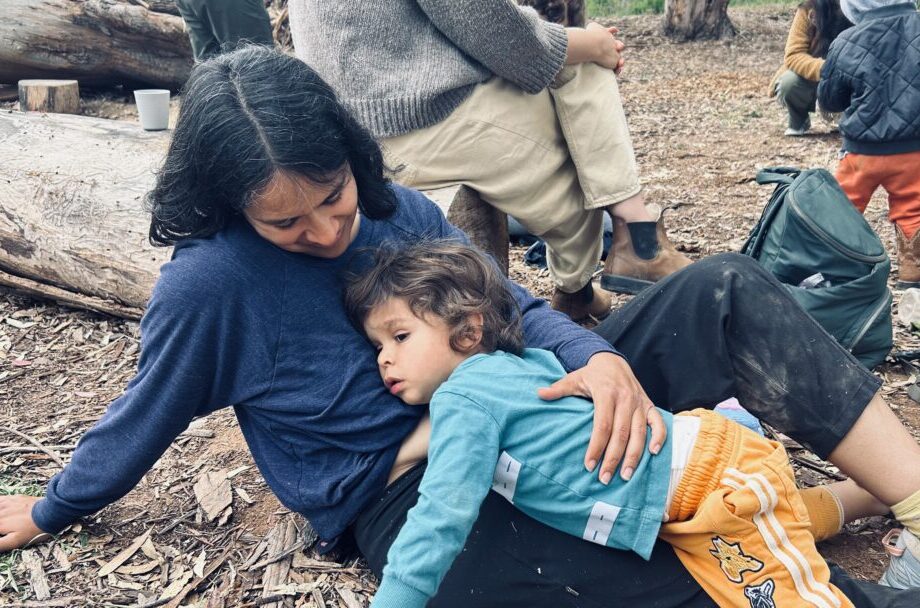
By Carol Castanon; Child & Family Consultant, Former Director of Secure Beginnings All people experience crisis or trauma at some time in the life of their...
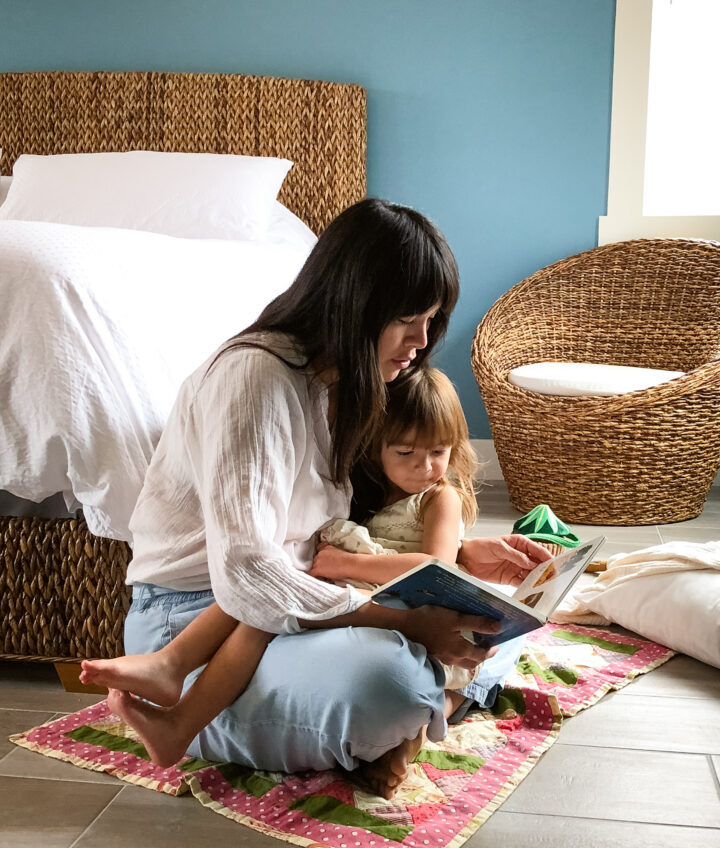
by Jessica Donahue, B.S., B.A. Human Development: Early Childhood Development, Counseling Psychology Graduate Student, Secure Beginnings Facilitator. Digital devices and technology have become interwoven into the...

by Carol Castanon Secure Beginnings Parent Consultant There are many cultures which celebrate or remember those who are no longer with us. There is a history...
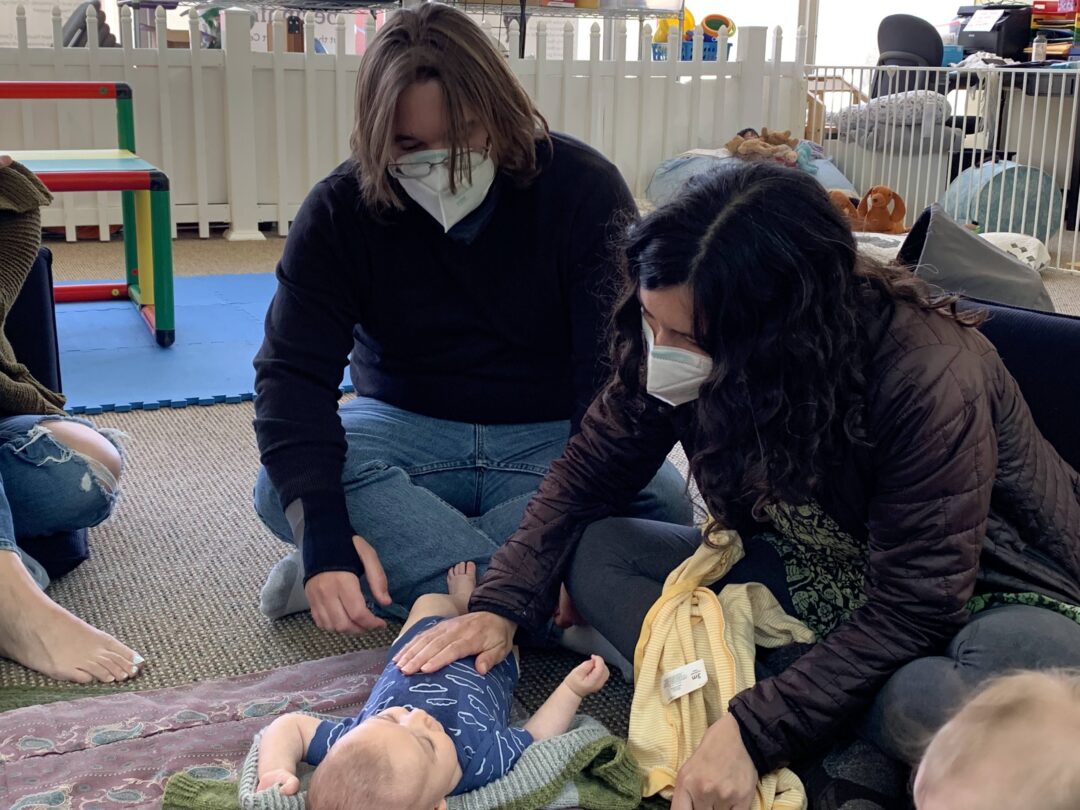
by Carol Castanon Secure Beginnings Parent Consultant I’ve been hearing concerns some parents have about mask-wearing, and how children might be affected by seeing people from the...
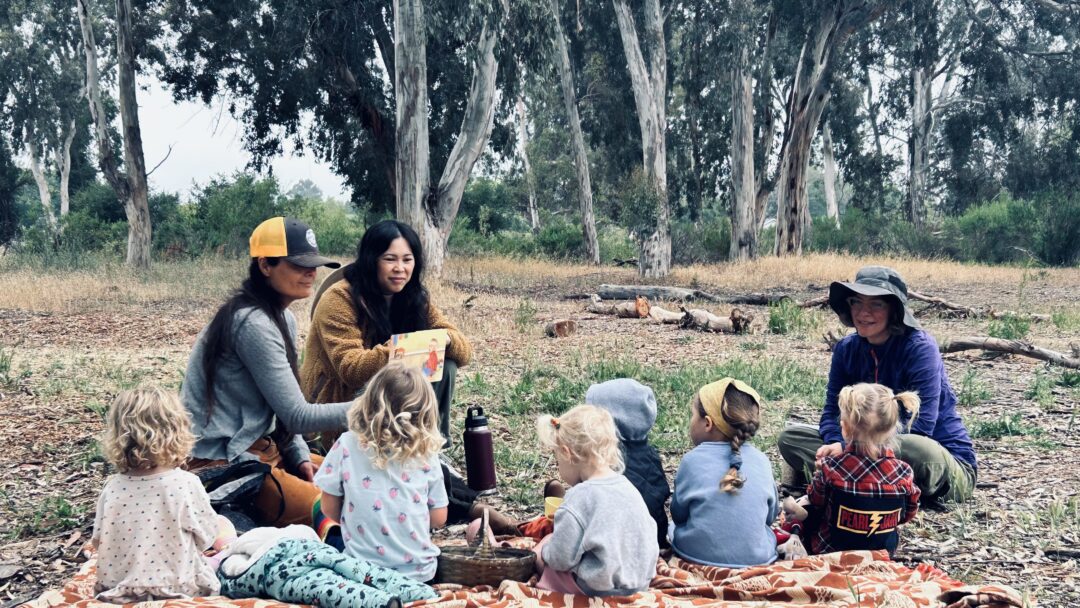
We stand for a vision where violence against communities of color ends, and we envision a world of healthy, resilient communities where Black lives matter. Dear...
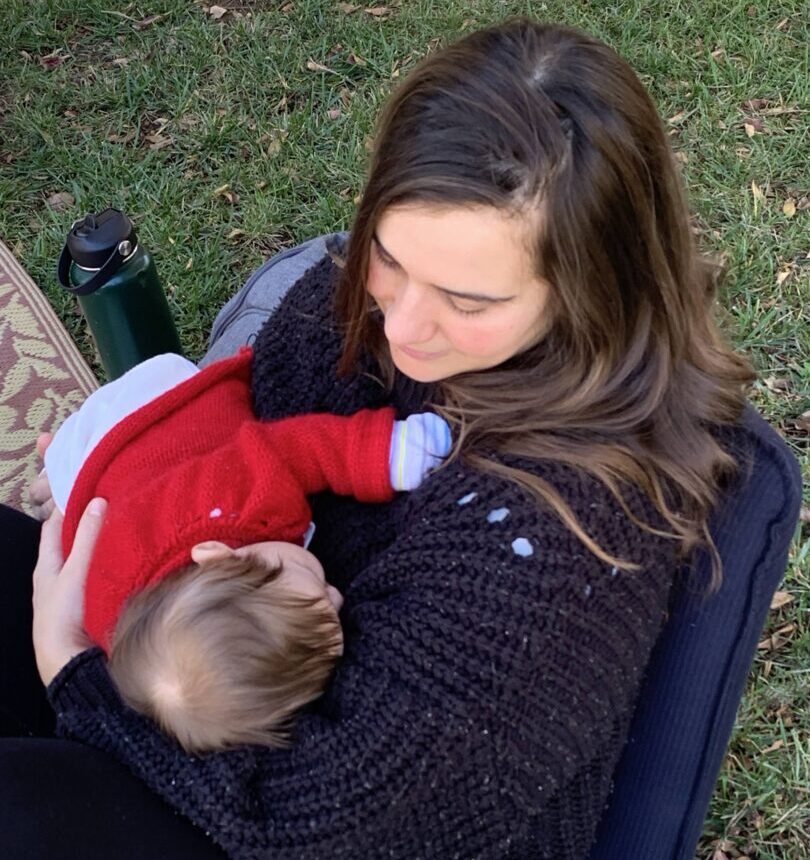
By Andrea Haffner, Licensed Marriage Family Therapist Secure Beginnings Senior Clinical Advisor The period before and after the birth of a baby is one of immense...
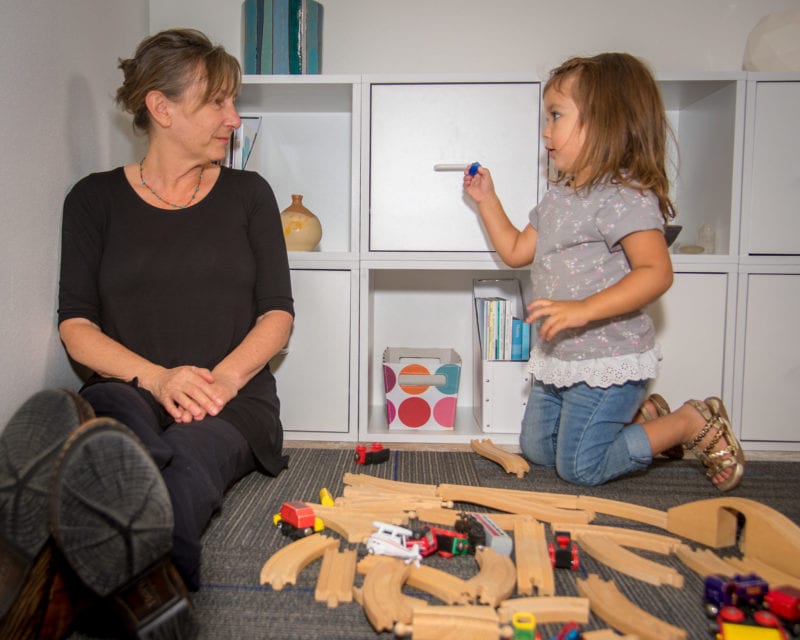
by Carol Castanon Secure Beginnings Parent Consultant Dear Families, The article below was written at the beginning of the pandemic. There have been many variations of it, dating back to the...
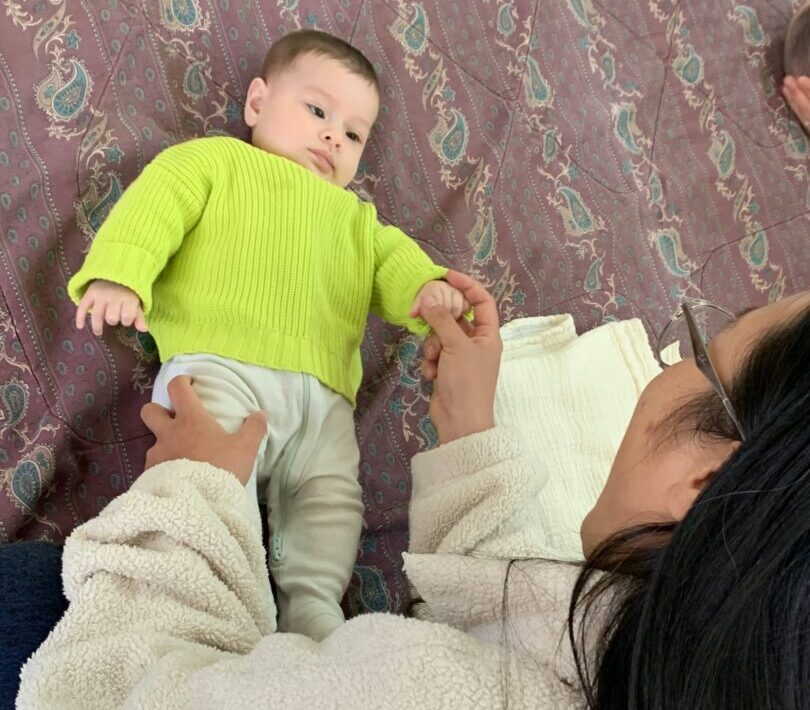
By Andrea Haffner Licensed Marriage and Family Therapist Secure Beginnings Senior Clinical Advisor In this extended time of social distancing, you and your family may be...